How to Choose the Right Steel Structure Supplier in Saudi Arabia for Your Next Project?
Choosing the right steel structure supplier in Saudi Arabia can directly affect the overall safety, durability, cost, and completion time. Whether you are planning a warehouse, an industrial facility, workshop, large-scale infrastructure, or commercial building project, the quality of the steel structure and the provider’s ability to deliver it as promised matter significantly. Saudi Arabia’s demanding climate, ambitious construction activities, and growing industrial sector make it important to work with a reliable supplier that understands local project needs. From raw material selection and structure design to fabrication, delivery, and quality control, every stage needs careful attention.
A reliable supplier of a steel structure in Saudi Arabia offers more than steel products. You need technical expertise, consistent manufacturing standards, dependable support, and project-specific solutions. In this complete blog post, we will explore some fundamental things that you must consider when choosing the right supplier for the raw materials you will use in your upcoming project. By considering these significant factors before making an informed decision, you can prevent unnecessary delays and quality concerns, and choose a steel structure partner that aligns with your project’s technical and commercial requirements and preferences.
What is a Steel Structure?
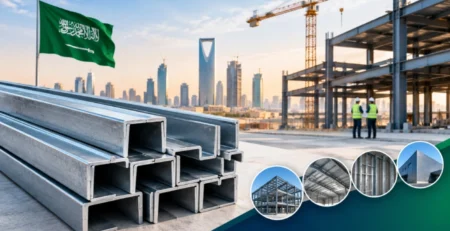
A steel structure is a load-bearing construction system in which structural steel members form the primary framework of a building or facility. Common elements include rafters, bracing systems, purlins, and beams. Additionally, these components are engineered to transfer structural loads safely to the foundation.
A steel structure in Saudi Arabia is widely used because steel offers a strong strength-to-weight ratio, dimensional consistency, and flexibility in design. Depending on the precise application, the system can be customized for different spans, loading conditions, heights, and architectural needs. For industrial and commercial projects, properly engineered steel structures can also support faster installation compared with many conventional construction methods.
Key Features of a Steel Structure
- High ratio of strength to weight to effectively withstand large amounts of structural load.
- Tailor-made design to suit varying dimensions of buildings.
- Speedy fabrication and erection to contribute to the optimization of construction timelines.
- Durability of structure where proper grades, protective systems, and fabrication methods are employed.
- Flexibility of design suitable for warehouses, factories, workshops, and commercial buildings, among others.
- Precision in dimensions due to controlled fabrication processes and advanced manufacturing techniques.
- Ability to adapt to future needs of the building such as additions and modifications.
Technical Configuration for a Steel Structure
| Component / Parameter | Typical Configuration / Consideration |
|---|---|
| Primary Frame | Columns, beams, rafters, and rigid frames |
| Secondary Members | Purlins, girts, eave struts, and related members |
| Bracing System | Roof bracing, wall bracing, and longitudinal bracing |
| Steel Grade | Selected according to structural design and project specifications |
| Connections | Bolted or welded connections based on engineering requirements |
| Roof System | Metal roofing panels with suitable insulation or protective layers |
| Wall System | Steel cladding, insulated panels, or project-specific wall systems |
| Corrosion Protection | Painting, galvanizing, or other specified protective systems |
| Design Loads | Dead, live, wind, seismic, equipment, and other applicable loads |
| Surface Treatment | Blast cleaning, coating, primer, and finishing as specified |
| Fabrication | CNC cutting, drilling, welding, assembly, and quality inspection |
| Installation | Erection sequence determined according to structural and site conditions |
Significant Things to Consider When Choosing the Right Steel Structure Supplier in Saudi Arabia
Choosing a steel structure supplier in Saudi Arabia must go beyond mere product availability or cost. It must involve a supplier who is technically able, consistent in their manufacturing process, understands the project, and is reliable in their deliveries. The factors below will enable you to evaluate the different suppliers and find the one that can serve your project.
1. Technical Ability and Engineering Capacity
A competent supplier must have an understanding of the basic principles of structural engineering and how to convert the project specifications into a feasible steel structure in Saudi Arabia. This involves checking whether the supplier has qualified technical personnel and adequate engineering capacity to understand the loads, dimensions, site conditions, connections, and standards.
2. Quality of Raw Materials
The performance of a steel structure in Saudi Arabia starts with the quality and suitability of raw materials being used. Inquire from the supplier about the grade of steel used, traceability, inspection process, and all the pertinent documents. It is important that the supplier can prove to be reliable by having processes in place to ensure that the raw materials are verified and that the steel used in fabrication meets the appropriate technical specification standards.
3. Manufacturing and Fabrication Process
Fabrication precision is crucial since even the slightest discrepancy in dimensions could result in a problem during transport and erection. Inspect the facilities of the manufacturer, the machines used, welding, cutting, and drilling, and the inspection process. It is easier for a steel structure supplier in Saudi Arabia who controls his fabrication process to produce more precise components.
4. Project-Specific Tailoring
Each construction project has its own set of dimensions, loading, configurations, working environments, and architectural needs. Never opt for suppliers who offer only generic solutions without taking into consideration your project specifics. The ideal supplier would be one that can tailor structural components, connections, roofs, walls, finishes, and other parts of the structure to your project specifications.
5. Adherence to Relevant Specifications and Codes
Engineering codes, material specifications, welding and quality control procedures provide a useful yardstick in assessing the structural safety and quality of the project. Identify all the standards and specifications applicable to your project before selecting the steel structure supplier in Saudi Arabia. The ideal supplier would be one who is familiar with all the necessary standards and can offer all the necessary documentation and inspection certificates as well.
6. Delivery Capability and Project Schedule
The most structurally sound product will be worthless if it comes too late or is incomplete. Talk about manufacturing capability, time taken to manufacture and deliver the product, packaging, transportation, delivery schedule, and the capability of the supplier to manage the required project volume. An efficient raw material supplier of steel structure in Saudi Arabia will give you a realistic schedule rather than a very optimistic one. Efficient coordination between manufacturing and delivery of the product may help avoid shortages of materials and unnecessary downtime on-site.
Fulfill All the Needs of Your Upcoming Project With the Matco Industry!
At Matco Industry, we bring a project-focused approach to steel structure solutions, helping customers manage their structural needs with carefully planned and professionally manufactured solutions. Whether your project needs customized configurations, support aligned with demanding schedules, or dependable fabrication, choosing an experienced industry companion can simplify the entire process from planning to execution.
However, if you are looking for a dependable steel structure supplier in Saudi Arabia, connect with us today! Let’s discuss your project requirements with our team and explore a steel structure designed around your application, construction goals, and specifications.
Frequently Asked Questions
A supplier with technical knowledge, quality-assured fabrication, delivery capacity, and previous projects with similarities to your own would be a good place to start. Other considerations could include:
- Quality of materials used and traceability of those materials
- Ability to engineer customized structures
- Relevant standards and quality assurance practices
- Fabrication capacity and timeframes
- Technical and post-sale support services
Questions may include grades of steel used, structural design, methods of fabrication, quality inspection practices, standards applicable to the project, delivery times, protective coatings, installation assistance, and documentation of the process. It will also be helpful to know what is included in the quotation supplied by the supplier.
The use of steel as a building material combines high strength with light weight and a high degree of flexibility when dealing with large spans.
Yes. The steel structures can be designed and constructed to specific measurements, loads, configurations, clear span requirements, roofing systems, wall systems, and functionality requirements. Customization will enable the structure to fit the building, rather than the other way around.
There are many factors that determine the total cost, which include the amount and type of steel used, the structural design, the size of the building, load requirements, complexity of fabrication, coating, transport, and erection. It is thus unfair to make comparisons of suppliers based on price alone.